Retirement is a time when many individuals shift from growing their investments to relying on them for income. However, market downturns don’t stop just because you’ve exited the workforce.
For retirees, managing retirement income during market volatility is an essential part of preserving assets and staying on track with long-term goals. A practical approach can help you adjust, stay steady, and continue supporting your lifestyle—even when the markets are unpredictable.
The Emotional Impact of Market Volatility
Market declines can trigger a range of emotional responses, especially for those living off their savings. Watching account balances fall may lead some retirees to panic, withdraw too much too soon, or abandon a long-term investment strategy. These reactions are understandable—but often counterproductive.
Retirees must manage not only financial risks but also emotional ones. A thoughtful plan accounts for the reality of short-term market changes while keeping the focus on long-term income needs. The key is to balance flexibility and discipline.
Why Sequence of Returns Risk Matters
One of the most significant challenges retirees face is sequence of returns risk. This refers to the impact of the order in which investment returns occur. For example, experiencing market losses early in retirement—when you are also withdrawing funds—can magnify the damage to your portfolio and shorten its longevity.
Managing retirement income during market volatility involves understanding this risk and incorporating strategies that help reduce its impact. These strategies may include flexible withdrawal approaches, reserve funds, and diversified income sources.
Building in Buffer Assets
One way to reduce pressure on your portfolio during downturns is to use buffer assets—cash or other low-volatility holdings that can provide income without needing to sell investments during a decline. These assets may include money market funds, short-term bonds, or certain insurance products designed for income.
By temporarily drawing from these reserves, you give your portfolio time to recover before resuming withdrawals. This approach aims to manage your income with a focus on risk mitigation.
Diversifying Income Sources
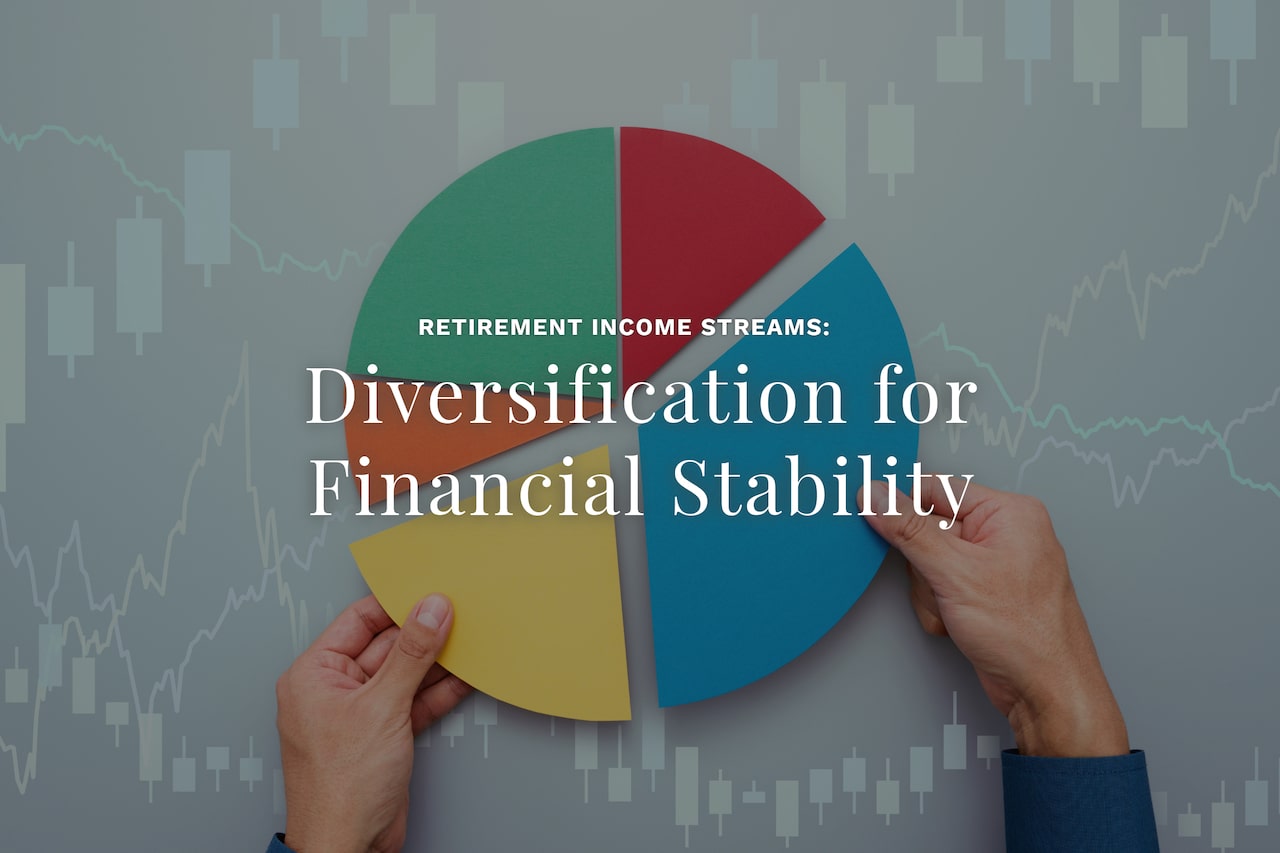
Diversification doesn’t just apply to your investments—it also applies to your income sources. Managing retirement income during market volatility becomes easier when you’re not relying on a single asset class or account type.
For example, retirees might combine distributions from a traditional IRA, dividends from brokerage accounts, and structured income from annuities. Some may also include part-time work, rental income, or systematic withdrawals from Roth accounts. The more options you have, the more flexibility you gain in choosing how to respond when the market drops.
Flexible Withdrawal Strategies
Fixed withdrawal rates—such as taking 4% of your portfolio annually—might not always fit with market conditions. During down years, it may make sense to reduce discretionary spending and adjust the amount withdrawn.
Some retirees adopt dynamic withdrawal strategies that increase or decrease distributions based on portfolio performance or other benchmarks. This level of flexibility can extend the life of your portfolio while maintaining essential income needs.
Staying Focused on Long-Term Goals
While volatility can dominate the headlines, retirement planning is still a long-term process. Most retirees will experience multiple market cycles throughout retirement. A single downturn does not define your financial success—but how you respond to it might.
Managing retirement income during market volatility means having a strategy that works not just in good times, but in unpredictable ones. This includes understanding your withdrawal plan, reviewing your risk exposure, and adjusting only when it makes strategic sense—not in reaction to fear.
Regular Reviews and Communication
Retirement plans should evolve with your life and with the market. That’s why periodic reviews—at least annually—are important. These check-ins offer the opportunity to assess whether your strategy is still aligned with your needs and whether market conditions require small adjustments.
At Seaman Retirement Planning, we help clients stay engaged through each stage of retirement. Our Financial Clarity Compass supports consistent, informed decision-making, even when markets are turbulent.
Managing Retirement Income During Market Volatility with Confidence
While market prediction is not necessary for preparation, it can be beneficial to understand market trends.
By combining diverse income sources, flexible strategies, and a clear long-term perspective, it’s possible to navigate volatility without derailing your retirement goals. If you’re concerned about how current or future market conditions may affect your income plan, it might be time for a deeper conversation.
Seaman Retirement Planning is here to help you evaluate your retirement strategy and explore ways to create income resilience in today’s ever-changing environment. Reach out to schedule your financial review today. We look forward to speaking with you!