
For decades, diversification has been a cornerstone of long-term investing. But in today’s economic climate—marked by rising interest rates, global uncertainty, and market volatility—many people are asking whether traditional diversification still holds up. The answer lies in understanding how diversified retirement investment strategies have evolved and how to apply them in a modern context.
Diversification: More Than a Mix of Stocks and Bonds
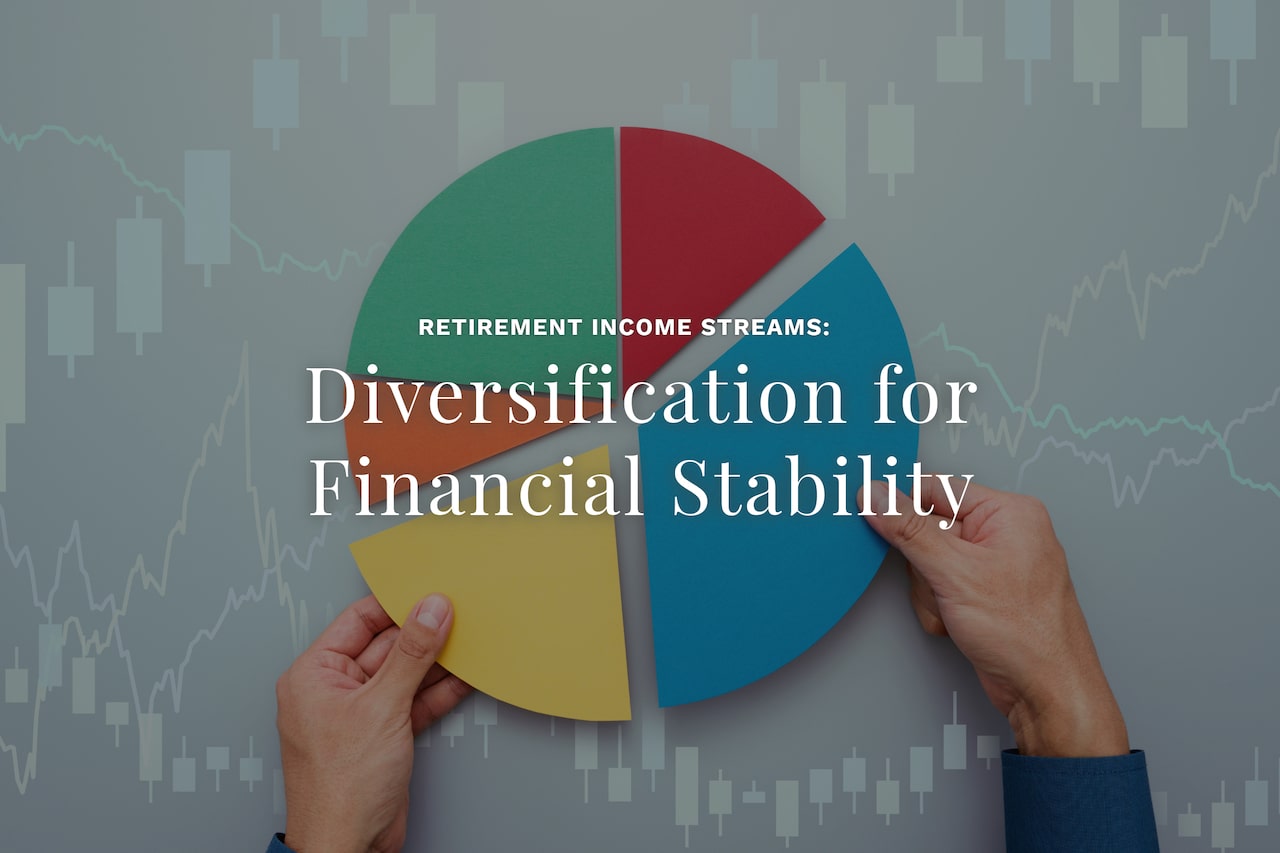
At its core, diversification is about spreading investment risk. Rather than relying on one type of asset to drive performance, a diversified strategy includes multiple types of assets that behave differently under various market conditions.
For retirees or pre-retirees, this often involves:
- A mix of stocks, bonds, and cash equivalents
- Exposure to domestic and international markets
- A blend of growth-oriented and income-generating investments
- Strategic use of alternative investments or insurance-based tools
It’s not just about owning “a little bit of everything.” It’s about understanding how different pieces work together to support your income needs, risk tolerance, and long-term goals.
Why Diversification Matters in Retirement
During your working years, you may have focused on growth and accumulation. In retirement, the focus often shifts to income, stability, and preservation.
Diversified retirement investment strategies help balance these priorities by:
- Reducing reliance on any single market or asset class
- Smoothing returns over time to support predictable withdrawals
- Creating income streams that aren’t tied solely to stock performance
- Allowing for adjustments as markets—and your needs—evolve
A properly diversified portfolio is designed to reduce volatility while still providing the growth potential needed to support a long retirement.
Modern Diversification Includes More Than Traditional Assets
Today’s retirees face a complex financial landscape. Inflation, interest rate fluctuations, and market cycles are real concerns. That’s why diversification today may include a broader range of investment options, such as:
- Dividend-paying equities for income and growth
- Municipal bonds for tax-aware income strategies
- Structured income products, including annuities with income riders
- Real assets, such as REITs, to add inflation sensitivity
- Cash reserves for short-term spending needs
Including assets that respond differently to economic events may potentially diversify your portfolios and help manage risk.
Understanding Correlation and Asset Behavior
True diversification isn’t just about owning different investments—it’s about how those investments respond to each other and to the market. If everything in your portfolio goes up or down at the same time, you may not be as diversified as you think.
Effective retirement investment strategies focus on blending assets with low correlation—investments that don’t all move in the same direction under the same conditions. This reduces portfolio volatility and may improve the consistency of returns, which is especially important when taking regular withdrawals.
Customizing Diversification for Your Retirement Goals
There’s no single formula for diversification. The right mix for one retiree may not suit another. Key factors that influence your ideal strategy include:
- Time horizon
- Income needs
- Risk tolerance
- Tax considerations
- Legacy or estate goals
That’s why personalized planning matters. A portfolio should be built not just around market theory—but around you.
At Seaman Retirement Planning, we use our Financial Clarity Compass to help clients assess how well-diversified their current strategy is and where opportunities may exist to strengthen it. We look beyond asset allocation to consider cash flow, inflation, healthcare costs, and longevity.
Diversification Doesn’t Eliminate Risk—But It Can Manage It
No strategy can remove all risk. Even a well-diversified portfolio may experience short-term losses during market corrections. But diversified retirement investment strategies can help manage how much you’re exposed to any one risk and how well your plan adapts over time.
Think of diversification as building layers of support—so when one piece underperforms, others can help carry the weight.
Reviewing Your Portfolio Regularly
Markets change. So do personal circumstances. That’s why diversification is not a one-time decision—it’s a strategy that should evolve.
Annual reviews (or more frequent check-ins) help ensure your portfolio still reflects your income needs, lifestyle goals, and risk profile. They also provide the opportunity to rebalance, replace underperforming assets, or shift allocations based on updated priorities.
The Role of Diversified Retirement Investment Strategies in Your Plan
A well-constructed portfolio is about more than just avoiding risk—it’s about creating opportunities that align with your retirement vision. In today’s environment, diversified retirement investment strategies must be thoughtful, flexible, and personalized.
If you’d like a second look at how your retirement investments are structured—or if you’re wondering whether your current diversification still makes sense—Seaman Retirement Planning is here to help. Reach out to schedule a review and conversation about your next steps.